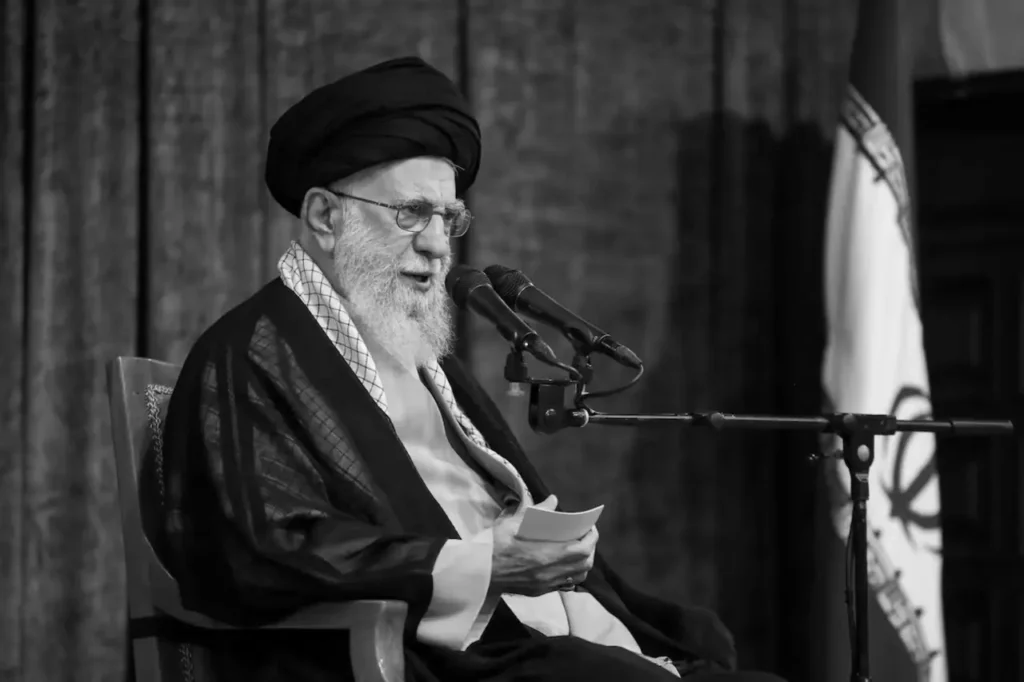
Iran has entered a period of deep national mourning after Supreme Leader Ali Khamenei was killed in a major airstrike reportedly carried out by the United States and Israel. The development has shaken the country’s leadership structure and raised fears of wider instability across the Middle East.
Iranian state television confirmed Khamenei’s death on Sunday, while thousands of people gathered in Tehran to express grief and anger over the loss of the country’s top leader.
Tehran Sees Massive Mourning Gatherings
Large crowds assembled at Enghelab (Revolution) Square in central Tehran soon after the announcement.
Many mourners dressed in black, held Iranian flags, and carried photographs of Khamenei. Some were seen crying openly while chanting slogans against the United States and Israel.
The atmosphere reflected a mix of grief and anger as the public responded to the sudden loss of the leader who had been at the center of Iran’s political system for decades.
Iran Announces 40-Day Mourning Period
Following confirmation of his death, Iranian authorities declared:
- 40 days of national mourning
- Seven days of public holidays
Black mourning flags were raised in religious sites, including the Imam Reza shrine in Mashhad, one of Iran’s holiest locations.
The government said the mourning period would honor Khamenei’s leadership and service to the nation.
US Confirms Strike
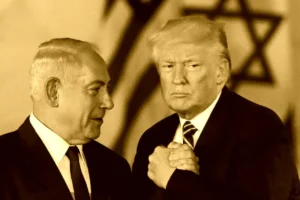
US President Donald Trump confirmed the killing earlier, describing it as a major turning point.
He stated that the operation could offer the Iranian people what he called their “greatest chance” to reclaim control of their country.
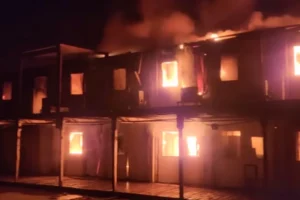
Reports suggest the strike targeted a compound in Tehran and was part of a wider joint operation aimed at weakening Iran’s military and nuclear infrastructure.
Satellite images later showed heavy damage at the targeted site.
Iran Warns of Retaliation
Iran responded strongly to the attack and warned that the action would not go unanswered.
Officials described the strike as a “great crime” and signaled possible retaliation against American and Israeli interests in the region.
Iran’s Revolutionary Guard leadership was also reportedly affected in the strikes, further deepening the crisis within the country’s power structure.
Leadership Uncertainty Emerges
Khamenei’s death leaves a major leadership vacuum.
As Supreme Leader, he held final authority over:
- National policy
- Military decisions
- Religious leadership
In response, Iran has formed an interim council to govern until a new leader is selected.
The situation has created uncertainty about the future direction of the Islamic Republic.
Civilian Impact and Rising Tensions
The attacks and counter-attacks have already caused casualties and damage across different regions.
Iran launched missiles and drones toward Israel and US-linked targets following the strikes, raising concerns of wider regional conflict.
Flights were disrupted across parts of the Middle East, while several countries reported drone or missile threats.
Global Concerns Grow
Experts warn the crisis could affect global oil markets if tensions escalate further.
The Strait of Hormuz, a vital route for global oil shipments, remains a key concern for international trade and energy supply.
Nation Divided Between Grief and Uncertainty
While many mourned Khamenei’s death, reports suggested some Iranians reacted differently, highlighting internal divisions.
Still, the large gatherings in Tehran and the nationwide mourning declaration signal strong emotional and political impact across the country.
A Turning Point for the Region
The killing of Iran’s Supreme Leader marks a dramatic moment in Middle East politics.
With retaliation threats rising and leadership uncertainty growing, the coming days may decide whether the situation moves toward wider conflict or political transition.

Andy Roberts is a seasoned journalist with nearly 9 years experience. While studying journalism at Ryerson, Annie found a passion for finding engaging stories. As a contributor to White Pine Tribune, Annie mostly covers provincial and national developments..