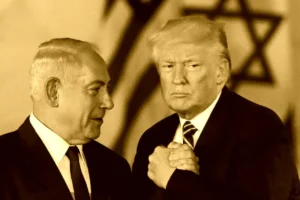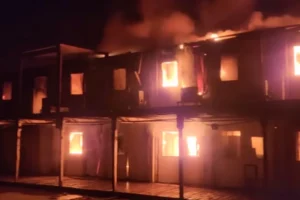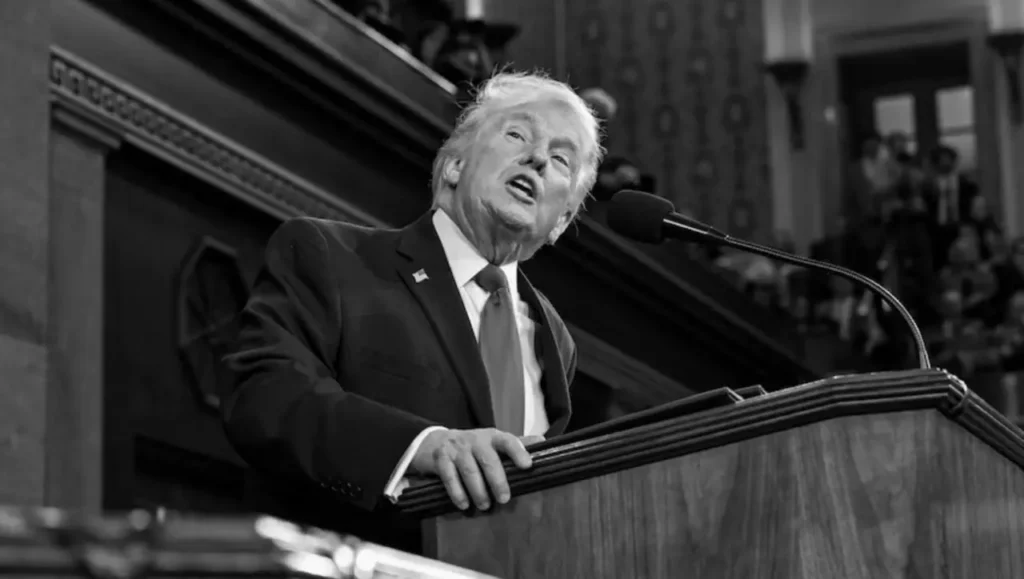
The Middle East conflict entered a dangerous new phase after the killing of Iran’s Supreme Leader Ayatollah Ali Khamenei in joint US-Israel airstrikes. While military action continues across the region, former US President Donald Trump has signaled that he is open to talks with Iran’s remaining leadership.
Trump said he is willing to engage in discussions even as intense airstrikes and missile retaliation continue to shake the region.
“They want to talk, and I have agreed to talk,” Trump said, suggesting diplomatic channels may still open despite the ongoing conflict.
Iran Rejects Negotiation Offer
Iran has strongly rejected the idea of negotiations.
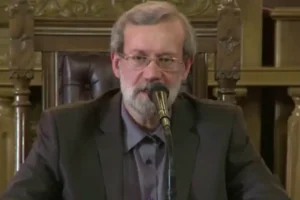
Senior official Ali Larijani made it clear that Tehran will not enter talks with Washington. Iranian leaders believe the strikes were an attempt to overthrow the country’s leadership and weaken its national control.
Iran’s President Masoud Pezeshkian confirmed that a temporary leadership council has taken charge following Khamenei’s death. The council includes top judicial and political figures until a new Supreme Leader is chosen.
Iran’s parliament speaker Mohammad Bagher Ghalibaf warned that both the US and Israel had “crossed a red line.”
Conflict Spreads Beyond Iran
The situation escalated further as Israel expanded military action beyond Iran.
Prime Minister Benjamin Netanyahu ordered fresh strikes on Lebanon after the militant group Hezbollah launched missiles and drones toward northern Israel.
This has widened the conflict zone and raised fears of a larger regional war.
Rising Casualties and Civilian Impact
Iran’s UN envoy Amir-Saeid Iravani told the United Nations that hundreds of civilians had been killed or injured in the attacks.
Iranian state media reported:
- 165 deaths in a school bombing in Minab
- Additional casualties across multiple cities
Meanwhile:
- Nine Israelis have died in missile strikes
- US forces confirmed their first casualties in the conflict
Iran also reported the deaths of 22 border guards near the Iraqi frontier.
Global Economy Feels the Shock
The war is already affecting the global economy.
Missile attacks near the Strait of Hormuz have forced nearly 150 oil tankers to halt movement through the critical shipping route.
Major shipping firms including:
- MSC
- Maersk
have suspended operations in the region.
Oil prices surged following tanker attacks, raising fears of supply disruptions and environmental risks.
Airports in Kuwait, Abu Dhabi and Dubai were also temporarily shut after missile strikes damaged infrastructure.
Iran Leadership Crisis
Khamenei’s death has triggered an urgent leadership transition.
Foreign ministry spokesperson Esmaeil Baghaei said the process to appoint a new Supreme Leader would likely be accelerated due to wartime conditions.
Until then, the temporary leadership council will oversee national decisions.
Trump Warns War May Continue
Despite expressing openness to talks, Trump suggested the conflict may continue for several weeks and warned of more possible American casualties.
He also said the military campaign could create an opportunity for political change within Iran, where earlier protests had been heavily suppressed.
However, public support for the conflict appears limited. A recent Reuters-Ipsos poll shows only about one in four Americans support the attack.
A Region on Edge
Across Iran, citizens have expressed mixed emotions — fear of further destruction but also hope for political change.
Iranian authorities, however, insist that the killing of their Supreme Leader will not weaken the nation’s resolve.
As tensions continue to rise and diplomatic doors remain uncertain, the Middle East now faces one of its most dangerous moments in recent years.

Megan Davies is a reporter for White Pine Tribune. After graduating from the University of Toronto, Megan got an internship at the CBC News and worked as a reporter and editor. Megan has also worked as a reporter for Global Toronto. Megan covers economy and community events for White Pine Tribune.