Australia has announced new military support for Gulf countries as tensions in the Middle East continue to grow. The government said it will send air-to-air missiles to the United Arab Emirates and deploy a military surveillance aircraft to help monitor the region.
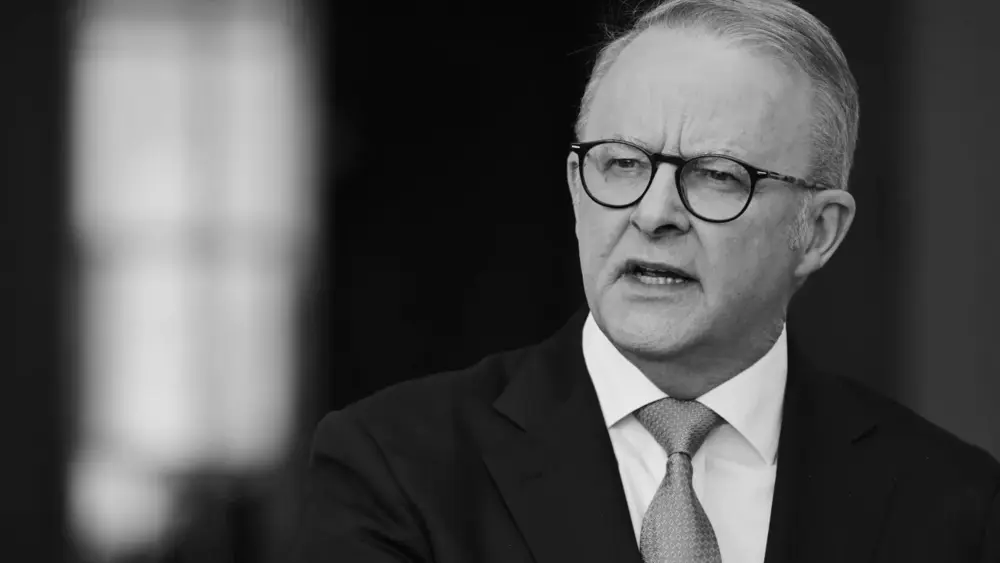
Prime Minister Anthony Albanese said the move is meant to help friendly countries defend themselves and to protect Australians living in the Middle East.
Surveillance Aircraft to Monitor Gulf Airspace
Australia will send one of its advanced surveillance planes, the Boeing E-7A Wedgetail, to the region.
The aircraft is used to watch airspace and detect aircraft, missiles, or drones from long distances. It can also help guide air defence operations.
The plane will operate in the Gulf region for about four weeks at first. Officials said it will help keep the airspace above Gulf countries safe during the current conflict involving Iran.
Missiles to Support UAE Defence
Australia will also send advanced medium-range air-to-air missiles to the United Arab Emirates.
The decision came after a phone call between Albanese and UAE President Mohammed bin Zayed Al Nahyan. The missiles are expected to help the UAE strengthen its air defence and respond to possible attacks.
Government Says Action Is Defensive
The Australian government made it clear that the country is not joining the war.
Albanese said Australia is not taking offensive action and will not send troops on the ground into Iran.
“Our involvement is purely defensive,” he said. “It is to help protect Australians in the region and support our partners.”
Conflict Disrupts Key Oil Route
The conflict has also affected the Strait of Hormuz, one of the most important oil shipping routes in the world.
About one-fifth of the world’s oil and large amounts of liquefied natural gas normally pass through this narrow waterway. The fighting has disrupted shipping in the area, raising concerns about global energy supply.
Australians Returning Home
When the conflict began around 11 days ago, about 115,000 Australians were in the Middle East.
According to the government, about 2,600 Australians have already returned home on commercial flights. However, many people are still in the region as several Gulf cities have faced missile attacks.
Australia says the new deployment will also help protect Australians who remain in the area.
Rising Tensions in the Middle East
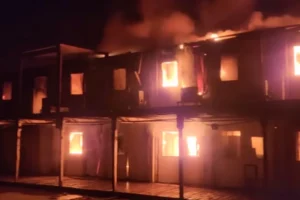
The situation in the Middle East has become more serious in recent days as attacks and counter-attacks continue across the region.
Australia’s decision to send missiles and a surveillance aircraft shows growing international concern about the conflict and the need to protect key partners and civilians in the Gulf.

Andy Roberts is a seasoned journalist with nearly 9 years experience. While studying journalism at Ryerson, Annie found a passion for finding engaging stories. As a contributor to White Pine Tribune, Annie mostly covers provincial and national developments..