The United States and Iran have agreed to hold talks in Oman on Friday, officials from both countries said. The meeting comes at a tense time, with growing military activity in the Middle East and strong disagreements between the two sides.
The talks will take place in Muscat, the capital of Oman. While both sides have agreed to meet, they are still far apart on what topics should be discussed.
Disagreement Over Agenda Continues
Iran has said the talks should focus only on its nuclear program and the removal of U.S. sanctions. Iranian officials have clearly stated that their missile program and regional activities are not open for discussion.
The United States has a different view. U.S. Secretary of State Marco Rubio said that talks must also include Iran’s ballistic missiles, its support for armed groups in the region, and its treatment of its own people, along with nuclear issues.
This difference has raised doubts about whether the talks can move forward in a meaningful way.
Why Oman Was Chosen
The meeting was first planned to be held in Istanbul, Türkiye. However, Iran asked to move the talks to Oman.
Oman is seen as a neutral country and has good relations with both the United States and Iran. It has also hosted earlier nuclear talks. Iran prefers Oman because it wants the talks to stay limited to only the two countries, without outside involvement.
The U.S. later agreed to the change of venue.
Military Tensions in the Background
The talks are happening while military tensions are rising. The United States has sent more troops, warships, fighter jets, and an aircraft carrier to the Middle East.
Earlier this week, the U.S. military said it shot down an Iranian drone near the USS Abraham Lincoln aircraft carrier. Iran said the drone was flying in international waters.
Iran has also shown new underground missile bases and warned that it is ready to respond if attacked.
Strong Warnings From Trump
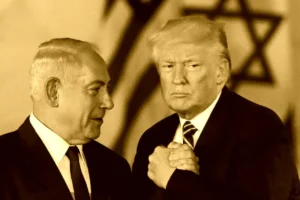
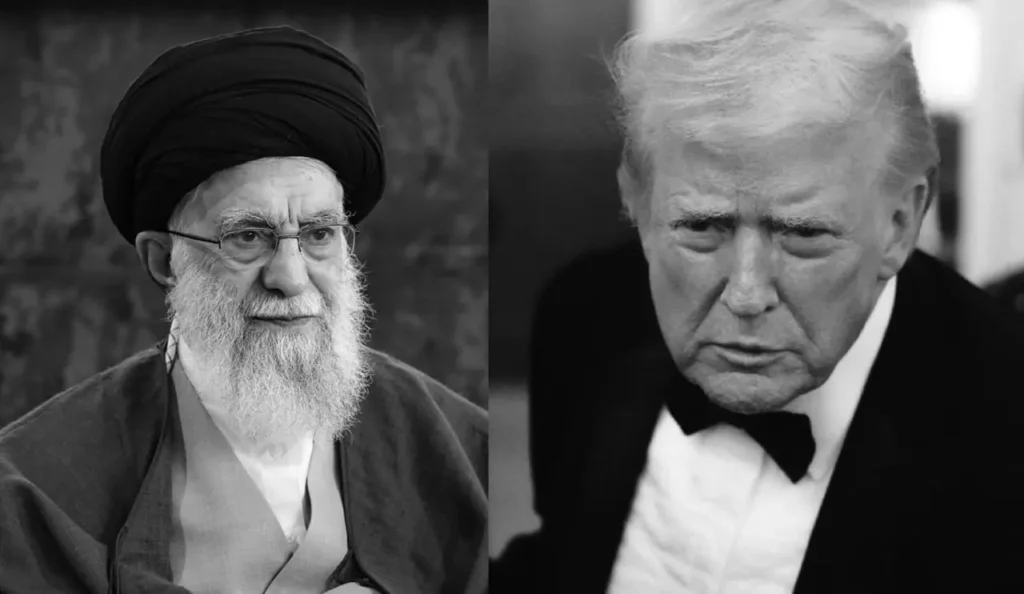
U.S. President Donald Trump has warned Iran several times in recent days. He said Iran’s Supreme Leader should be “very worried” if no deal is reached.
Although Trump has allowed talks to go ahead, he has not ruled out military action if negotiations fail.
Nuclear Issue Remains Key Point
Iran says its nuclear program is for peaceful purposes only. Tehran hopes that talks could help reduce sanctions, which have badly hurt its economy and increased public anger inside the country.
The United States and Israel remain concerned about Iran’s nuclear work and missile program. Washington has demanded limits on uranium enrichment, missile development, and Iran’s support for regional groups. Iran has rejected these demands.
Regional Fears of Conflict
Countries in the Middle East are worried that a clash between the U.S. and Iran could lead to a wider war. Rising tensions have already caused oil prices to increase.
Israel has urged the United States to take a firm stand against Iran, while other regional countries are pushing for diplomacy to avoid conflict.
Uncertain Outcome Ahead
Friday’s talks in Oman show that both sides are still willing to talk. However, major differences remain, and expectations for a breakthrough are low.
The coming days will show whether diplomacy can reduce tensions or whether the situation will grow more dangerous.

Mayur is a part time journalist with about 2 years experience. While working in the field of healthcare, Mayur found a passion for finding engaging stories. As a contributor to White Pine Tribune, Mayur mostly covers International Politics and Life Sciences Related Stories