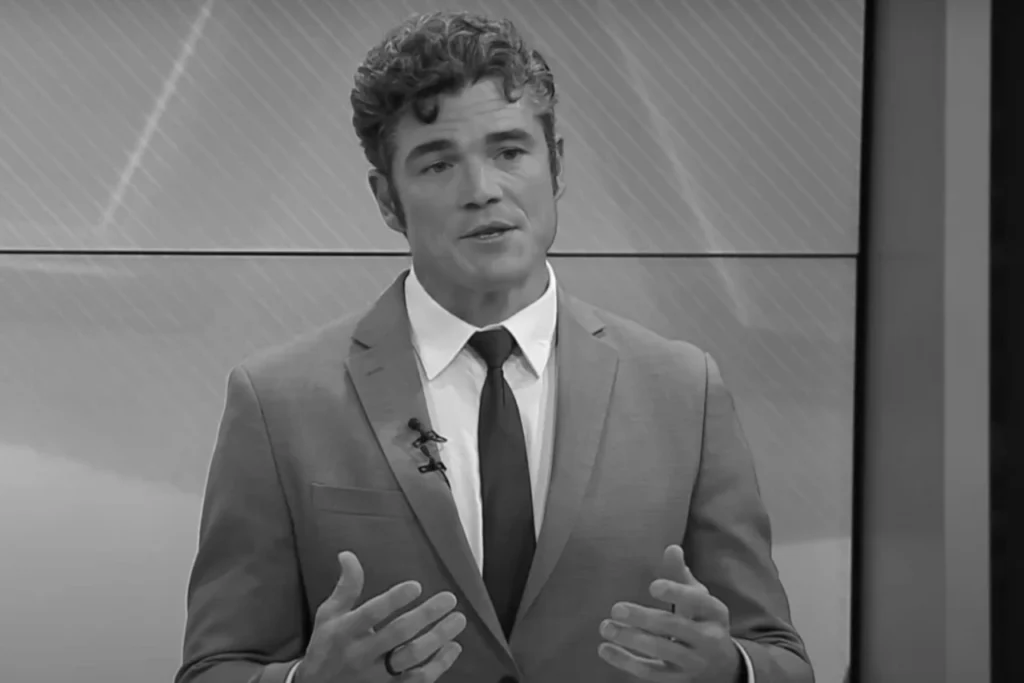
A major political debate has started in the United States after Joe Kent resigned from his role as a top counterterrorism official. His resignation has raised serious questions about the ongoing war with Iran and the decision-making process inside the government.
In his resignation letter, Kent directly asked Donald Trump to “reverse course.” He said clearly that Iran was not an immediate threat to the United States. His statement has caught attention because it is rare for a senior official to openly disagree with the government during a war.
Kent Says War Was Not Necessary
In his letter, Kent said that the United States entered the war based on wrong information. He claimed that there was no clear reason to believe that Iran was going to attack the US soon.
He also suggested that the decision was influenced by pressure from Israel and powerful lobbying groups in the United States. According to him, an “echo chamber” of repeated claims and misinformation may have affected the final decision.
Kent’s words are strong and direct. He did not use careful or diplomatic language. This is one of the reasons why his resignation has become such a big issue.
White House Strongly Rejects His Claims
The White House quickly rejected everything Kent said. Officials stated that President Trump had strong and clear evidence that Iran was preparing to attack the United States.
President Trump also reacted publicly. He said Kent was a “nice guy” but called him “weak on security.” He added that Kent leaving his position was actually a good thing for the administration.
At the same time, Tulsi Gabbard supported the president’s decision. She explained that intelligence agencies provide information, but the final decision about threats is made by the president. She said that after reviewing all available information, the president decided that Iran was a real and immediate danger.
Accusations Lead to Fresh Controversy
Kent’s comments about Israel and lobbying groups created another level of controversy. The Anti-Defamation League criticised his statements and said they used “antisemitic tropes.” Other groups like AIPACand J Street also reacted strongly.
These reactions shifted the discussion from just a policy disagreement to a more sensitive debate involving political and social concerns Some critics said Kent’s claims were harmful, while others argued that he was raising important questions about US foreign policy.
Political Leaders Show Mixed Reactions
The response from political leaders has been divided. Mitch McConnell strongly criticised Kent. He said that such views should not have a place in government and linked them to harmful ideas. On the other hand, Marjorie Taylor Greene came out in support of Kent. She called him an American hero and said people should not believe attacks against him.
This difference in opinion shows how divided US politics has become, especially on issues related to war and foreign policy.
Kent’s Military Background Adds Weight
Joe Kent is not just a government official. He is a former US special forces soldier and also worked as a CIA officer. He served in war zones many times and has real experience on the ground. He also suffered a personal loss when his wife was killed in a suicide bombing in Syria.
Because of this, his words about war carry emotional and moral weight. In his letter, he said he cannot support sending more Americans to fight in a war that does not clearly benefit the country.
A Larger Question About US Policy
Kent’s resignation has also raised bigger questions about how the United States makes decisions about war.
Experts have often debated whether US actions in the Middle East are based only on national interest or also influenced by political pressure and alliances. Scholars like Stephen Walt and John Mearsheimer have argued that domestic politics and lobbying can play a strong role.
There are also historical examples. In 1947, George C. Marshall warned about possible long-term problems in the Middle East, but Harry S. Truman chose a different path. Over time, those decisions shaped US involvement in the region. Today, some analysts believe similar patterns may be repeating.
Main Question Still Unanswered
After all the statements and reactions, one simple question remains: Why is the United States in this war if there is no clear and immediate threat?
The government says it had strong intelligence. But critics say the situation looks similar to past wars where concerns were raised but not fully addressed. This question is now being discussed more openly because of Kent’s resignation.
Joe Kent’s resignation is not just about one official leaving his job. It has opened a wider debate about war, leadership, and decision-making in the United States. His words have forced people to think again about the reasons behind the Iran war. At the same time, strong reactions from the government and other groups show how serious and sensitive this issue is.
Now, the key question is whether this moment will lead to deeper discussion and accountability—or slowly fade away like similar warnings in the past.

Megan Davies is a reporter for White Pine Tribune. After graduating from the University of Toronto, Megan got an internship at the CBC News and worked as a reporter and editor. Megan has also worked as a reporter for Global Toronto. Megan covers economy and community events for White Pine Tribune.