Iran has said it is ready to talk with the United States about its nuclear programme. But it has made one thing clear — sanctions must also be part of the deal.
Iran’s Deputy Foreign Minister, Majid Takht-Ravanchi, told the BBC that Iran will not accept a one-sided agreement. He said both sides must take steps if they want a deal.
He added that “the ball is in America’s court,” meaning the United States must now show it is serious.
New Round of Talks in Geneva
Earlier this month, indirect talks were held in Oman. Iran’s Foreign Minister Abbas Araghchi met with U.S. envoy Steve Witkoff and senior adviser Jared Kushner. Oman acted as a mediator.
Now, a second round of talks is expected to take place in Geneva.
For many years, Switzerland has helped keep communication open between Iran and the United States. Since official relations were cut after the 1980 hostage crisis, Switzerland has represented U.S. interests in Iran.
Main Disagreement: Uranium Enrichment
The biggest problem in the talks is uranium enrichment.
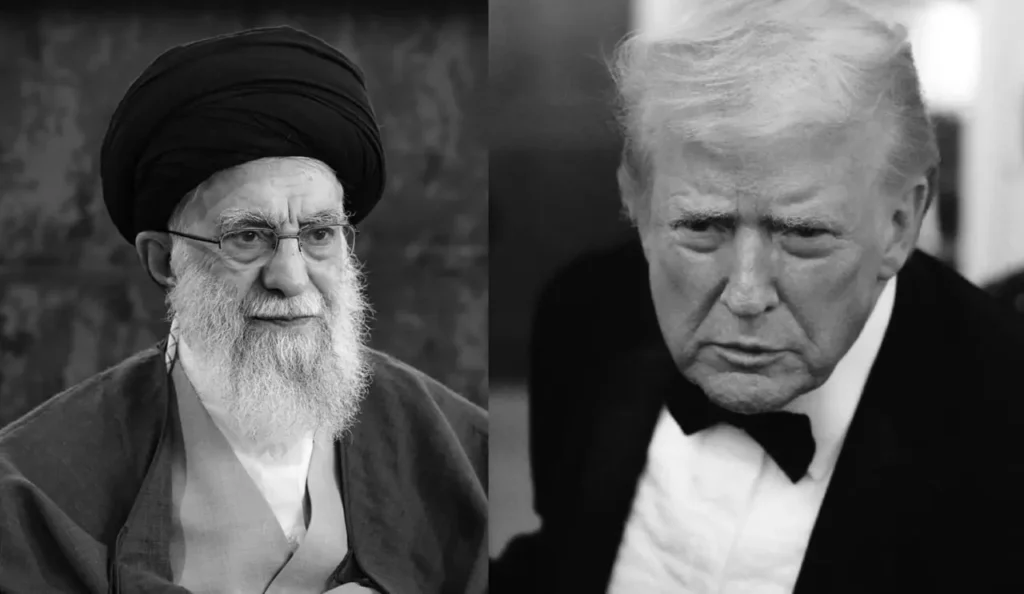
The U.S. government, led by Donald Trump, has said Iran should not enrich uranium at all under any new deal. Iran has refused this demand.
Before last year’s conflict, Iran was enriching uranium up to 60% purity. Experts say this level is close to weapons-grade. However, Iran says its nuclear programme is only for peaceful use.
Iran has suggested it could reduce or dilute some of its enriched uranium if all financial sanctions are removed.
Iran’s President, Masoud Pezeshkian, has said the country is ready for inspections. But the International Atomic Energy Agency has not been able to fully check Iran’s nuclear stockpile in recent months.
Military Threats Increase Pressure
The talks are happening while military tension is rising.
President Trump has warned that if no deal is reached, the result could be “very traumatic.” The U.S. has increased its military presence in the Middle East.
Iran has also warned that it will respond if it feels seriously threatened. Gulf Arab countries have said that any attack could lead to a bigger regional war.
Trust Is Still Low
Last year, similar talks failed after a 12-day conflict involving Israel and U.S. strikes on Iranian nuclear sites. That event damaged trust between the two sides.
Iran says it wants serious talks. The U.S. says its main goal is to limit Iran’s nuclear programme.
Both sides admit it is too early to say if a deal will be reached.
The upcoming Geneva meeting will be very important.
The key questions are:
- Will the U.S. agree to lift sanctions?
- Will Iran accept limits on uranium enrichment?
- Can both sides rebuild trust?
Talks are moving forward, but the situation remains sensitive. A deal is possible, but only if both countries are ready to compromise.
Also Read: Iran Holds Firm as Nuclear Talks With US Resume
Mayur is a part time journalist with about 2 years experience. While working in the field of healthcare, Mayur found a passion for finding engaging stories. As a contributor to White Pine Tribune, Mayur mostly covers International Politics and Life Sciences Related Stories