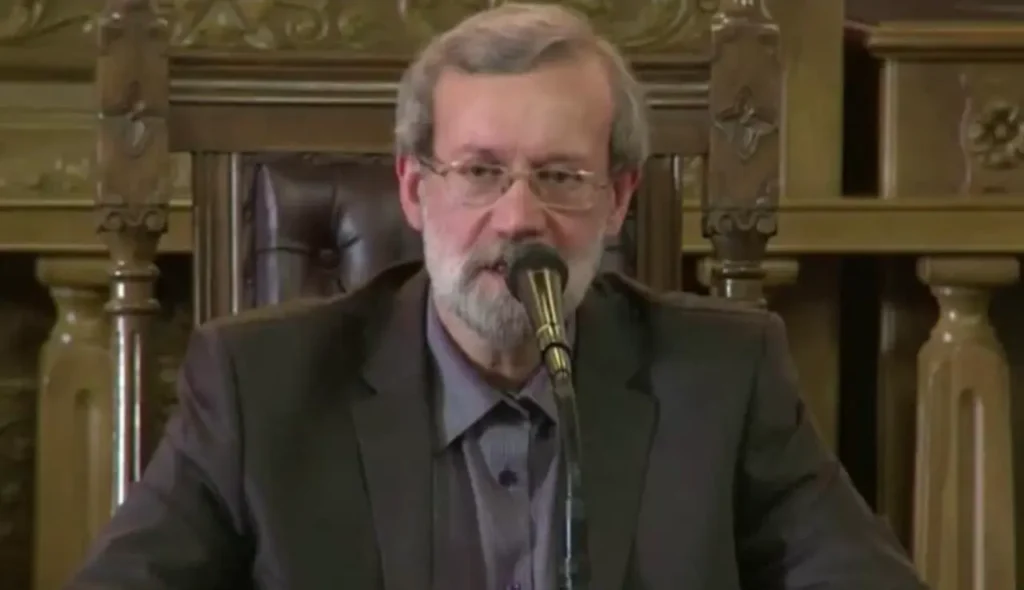
The ongoing conflict involving Iran, Israel, and the United States is entering a more dangerous phase, as fresh attacks, political tensions, and global concerns continue to rise. The recent killing of senior Iranian leader Ali Larijani has added new pressure to an already volatile situation.
Iran Responds With Fresh Attacks
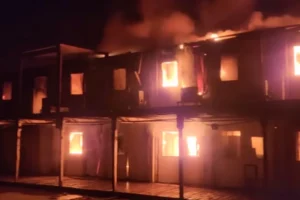
Iran launched new missile and drone attacks targeting Israel after the deaths of Larijani and senior commander Gholamreza Soleimani. At least two people were reported killed in Israel during the latest strikes.
Iran has also expanded its response beyond Israel. Reports suggest attacks near the US embassy in Baghdad, while several Gulf nations, including Saudi Arabia, Qatar, and the United Arab Emirates, intercepted incoming drones and missiles.
These developments show that the conflict is no longer limited to two countries and is spreading across the region.
Tehran Shows Strength Despite Leadership Loss
Iranian leaders have tried to project confidence despite the loss of key figures. Foreign Minister Abbas Araghchi stated that the country’s political system remains strong and stable.
However, the deaths of top leaders, including earlier reports of the killing of Ali Khamenei, have raised serious questions about Iran’s leadership structure during wartime.
Loss of Larijani Weakens Diplomatic Options
Larijani was not just a senior official but also a well-known political figure with experience in international negotiations. He had connections across different factions in Iran and was involved in past nuclear talks and diplomatic outreach.
His death is seen as a major setback for any possible negotiations. Many experts believe he could have acted as a bridge between Iran and Western countries during the conflict.
Without him, it has become more difficult for global powers to identify a clear channel for dialogue in Tehran.
Hardliners Gain Ground in Iran
With Larijani gone, power in Iran appears to be shifting toward more hardline figures. Leaders such as Mohammad-Baqer Qalibaf are expected to play a bigger role in decision-making.
Moderate voices, including diplomats like Abbas Araghchi and former foreign minister Mohammad Javad Zarif, may have less influence going forward.
This shift could make Iran’s approach more aggressive and reduce the chances of compromise.
US Faces Pressure as Global Divisions Grow
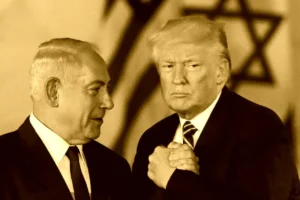
The conflict has also created tensions within the West. US President Donald Trump has criticized NATO allies for not sending naval support to secure key routes in the Gulf.
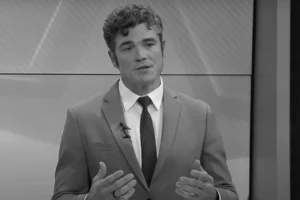
At the same time, internal pressure is rising in the US. Joe Kent, director of the National Counterterrorism Center, resigned in protest, questioning the need for the war.
These developments highlight growing divisions both internationally and within the US.
Oil Routes and Global Economy at Risk
The situation around the Strait of Hormuz remains critical. This route handles a large share of global oil shipments, and disruptions have already affected supply and prices.
Iran’s actions in the Gulf, along with ongoing military operations, have increased concerns about the global economic impact of the conflict.
No Clear End in Sight
Despite rising casualties and international concern, there are no clear signs of a ceasefire. Reports suggest that both sides have shown little willingness to step back from the conflict.
The absence of key diplomatic figures like Larijani, combined with growing military actions, suggests that the war may continue for a longer period.
The killing of Ali Larijani has not only intensified the fighting but also removed a key figure who could have helped reduce tensions. As attacks continue and political divisions deepen, the conflict is becoming more complex and harder to resolve.
With the war spreading across the region and global powers struggling to respond, the coming weeks are likely to be critical in shaping the future of the Middle East.
Mayur is a part time journalist with about 2 years experience. While working in the field of healthcare, Mayur found a passion for finding engaging stories. As a contributor to White Pine Tribune, Mayur mostly covers International Politics and Life Sciences Related Stories