European countries are still not sure if they will support Donald Trump in securing the Strait of Hormuz, a key route for global oil supply. The United States has asked its allies to help keep this route open, but Europe wants more clarity before making any decision.
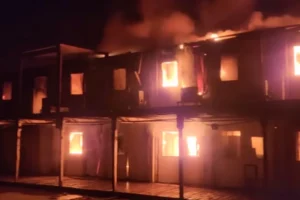
The situation started after the US and Israel carried out military strikes on Iran on February 28. In response, Iran has blocked or threatened ships passing through the Strait of Hormuz. This has already pushed oil prices higher and disturbed global trade. Many ships are now stuck in the Gulf, while others are taking longer routes around Africa. Air cargo services in the region are also facing problems. If this continues, it could lead to higher prices and shortages of goods across the world.
European leaders are not united on this issue. Some believe it is important to keep the route open because it affects global trade and energy supply. Others feel Europe should not get involved in a war that it did not start. EU foreign policy chief Kaja Kallas said the situation is important but also very sensitive. She made it clear that Europe does not want to enter a wider war.
At the same time, Europe is discussing possible ways to respond. One idea is to expand its existing naval mission in the region. Another option is to work with a group of willing countries to protect ships. However, no final decision has been taken yet, as leaders are still studying the risks and outcomes.
A major concern for Europe is the lack of clear information from the US and Israel. German Foreign Minister Johann Wadephul said Europe needs to understand what the main goal of the war is and when it might end. Without clear answers, many countries are not ready to send forces into the region.
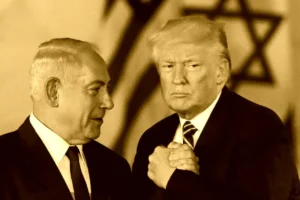
Donald Trump has asked several countries, including European and Asian allies, to help secure the strait. He said that countries that benefit from this route should also help protect it. He also warned that not supporting the US could affect future relations with allies.
French President Emmanuel Macron is in talks with other countries about a possible plan to escort ships safely through the strait. However, France has said that any action should happen only when the situation becomes more stable. UK Prime Minister Keir Starmer also said Britain is working with partners to find a solution, but he clearly stated that the country will not be drawn into a wider war. He also ruled out any NATO involvement in this situation.
Some European leaders have taken a stronger stand and clearly said no to military involvement. They believe this is not Europe’s war and that the conflict was started by the US and Israel. There are also concerns about pressure from Washington, with some leaders saying Europe should not be forced into taking part.
For now, a NATO mission looks unlikely because many countries believe the alliance is meant for defense, not for such conflicts. If any action is taken, it will likely be through smaller groups of countries working together rather than a full NATO operation.
The economic impact of this crisis is already being felt around the world. Rising oil prices and supply chain disruptions are creating pressure on many countries, including those in Europe. This makes the situation more difficult, as leaders must balance economic needs with the risk of entering a war.
Europe is taking a careful approach. It understands how important the Strait of Hormuz is for the world, but it is not ready to act without clear plans from the US and Israel. For now, Europe is likely to continue discussions and avoid direct military involvement while watching how the situation develops.

Mayur is a part time journalist with about 2 years experience. While working in the field of healthcare, Mayur found a passion for finding engaging stories. As a contributor to White Pine Tribune, Mayur mostly covers International Politics and Life Sciences Related Stories