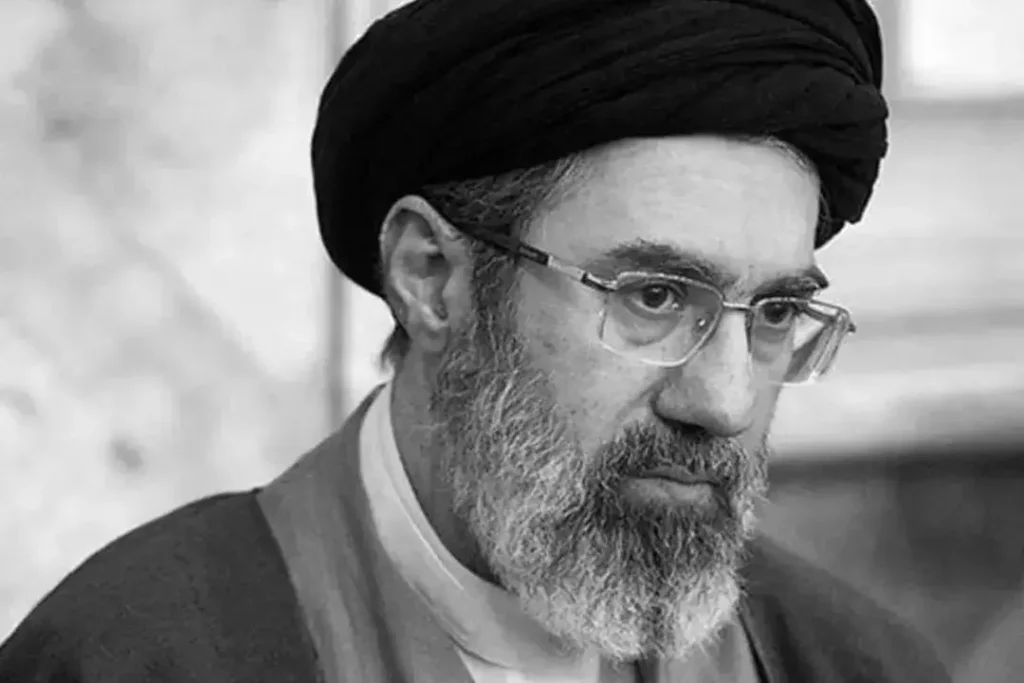
Mojtaba Khamenei, the son of Iran’s late Supreme Leader Ali Khamenei, has reportedly been elected as the country’s new Supreme Leader, according to Iran International.
The report said that Iran’s powerful clerical body, the Assembly of Experts, selected the 56-year-old cleric as the successor to his father. The Assembly is constitutionally responsible for appointing and overseeing the Supreme Leader.
Iranian state authorities have not yet issued a formal public confirmation at the time of reporting.
Leadership Change After Deadly Strikes
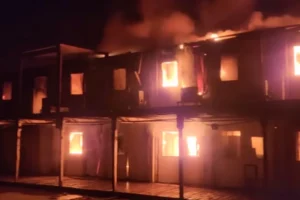
The reported appointment comes just days after Ali Khamenei was killed during a wave of joint US-Israeli strikes targeting Iranian locations. The attacks have since escalated tensions across the Middle East and triggered an expanding military conflict.
According to earlier reports, Khamenei died in strikes on his compound. Several members of his family were also reported killed. The developments have deeply shaken Iran’s political system, which had not publicly named a clear successor before his death.
Following the attack, a temporary leadership structure was put in place. A three-member interim council — including senior clerics and top state officials — was tasked with overseeing responsibilities until a new Supreme Leader was chosen.
Allegations of IRGC Pressure
Iran International further claimed that the Islamic Revolutionary Guard Corps (IRGC) played a significant role in the succession process. The outlet reported that the Revolutionary Guard allegedly pressured members of the Assembly of Experts to back Mojtaba Khamenei.
These claims have not been independently verified. However, Mojtaba is widely believed to maintain strong ties with the Guard, which remains one of the most powerful institutions in Iran. The IRGC was designated a terrorist organisation by the United States in 2019 and holds major influence in Iran’s military, political and economic sectors.
A Sensitive Political Moment
Mojtaba Khamenei’s reported elevation could prove politically sensitive inside Iran. The Islamic Republic has long criticised hereditary rule and positioned itself as an alternative to monarchy. A transition of power from father to son may raise questions about that principle.
Observers have for years viewed Mojtaba as a possible successor, although he does not hold the highest clerical rank traditionally associated with the position. He is described as a mid-ranking cleric who served in Iran’s armed forces during the Iran-Iraq war.
He is also believed to have exercised considerable behind-the-scenes influence during his father’s rule. Analysts say he managed key functions within the Office of the Supreme Leader and acted as a central power broker within the political system.
Role of the Supreme Leader
The Supreme Leader is the highest authority in Iran’s political system. The position holds final decision-making power over major matters of state, including foreign policy, defense strategy and security affairs.
The leader also serves as commander-in-chief of the armed forces and oversees the Revolutionary Guard. Under Ali Khamenei’s leadership, the Guard expanded its influence across state institutions and the broader economy.
Regional Tensions Continue
The leadership change comes as tensions between Iran, the United States and Israel remain high. The recent strikes have led to retaliatory actions and rising instability across parts of the Middle East.
With the reported selection of Mojtaba Khamenei, attention is now turning to how Iran’s domestic and foreign policy direction may evolve in the coming days.
As of now, international reactions remain limited, and further official confirmation from Tehran is awaited.

Andy Roberts is a seasoned journalist with nearly 9 years experience. While studying journalism at Ryerson, Annie found a passion for finding engaging stories. As a contributor to White Pine Tribune, Annie mostly covers provincial and national developments..