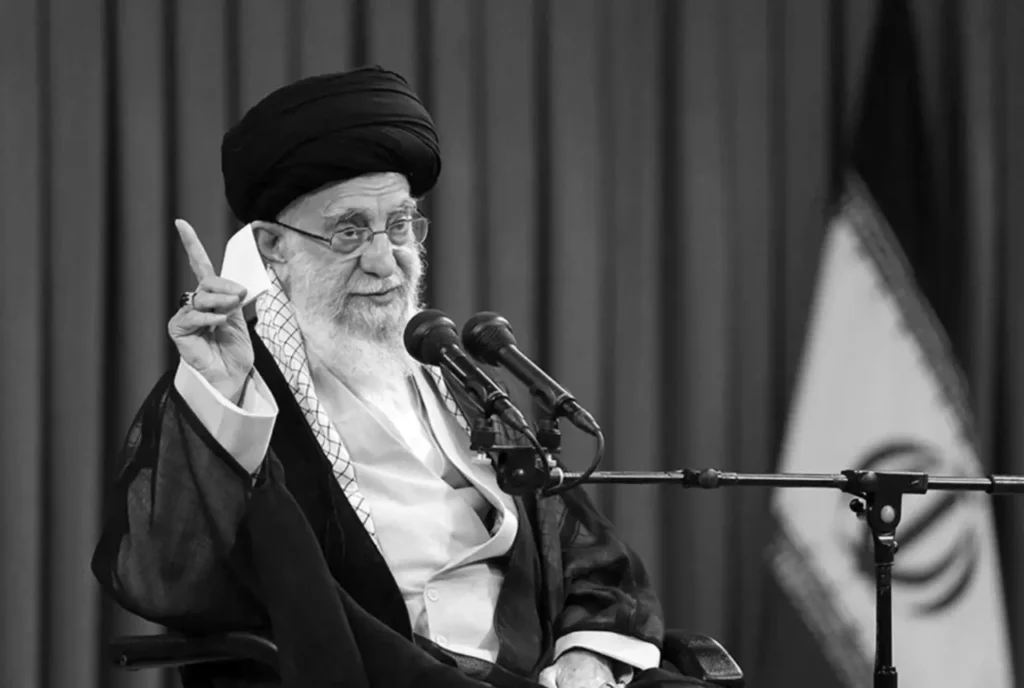
Tensions in the Middle East sharply increased after reports claimed that Iran’s Supreme Leader Ali Khamenei was among the targets of joint US-Israeli strikes carried out in Tehran on Saturday.
According to international media reports, missiles hit areas near locations linked to the Iranian leadership, including sites close to Khamenei’s offices and the presidential compound.
Israeli public broadcaster reports suggested that both Khamenei and Iran’s President Masoud Pezeshkian were possible targets during the attack.
However, Iran later confirmed that President Pezeshkian is safe and in good health, citing information released by IRNA.
Meanwhile, Reuters reported that Khamenei was not in Tehran at the time of the strikes and had been moved to a secure location.
Attacks Raise Questions About Leadership Targeting
The strikes were reported across several parts of Tehran, including areas near the presidential palace in Shemiran and close to compounds linked to Iran’s Supreme Leader.
Iranian media, including Tasnim, said multiple missiles landed near key government locations.
Observers believe the attacks may have aimed to weaken Iran’s top leadership structure, rather than only target military infrastructure.
Khamenei, who has led Iran since 1989 after succeeding Ruhollah Khomeini, holds ultimate authority over the government, armed forces, and judiciary.
His influence is supported by powerful institutions such as the Islamic Revolutionary Guard Corps and the Basij paramilitary forces.
Missile Exchanges Expand Conflict
Following the strikes, Iran launched missiles toward Israel, triggering a new round of military escalation.
Emergency sirens were reported in Bahrain after a missile threat targeting the US Navy’s Fifth Fleet headquarters.
Explosions were also heard across key Gulf cities hosting American military assets, including:
- Abu Dhabi
- Dubai
- Doha
- Riyadh
These cities host strategic bases used by US forces, such as:
- Al Dhafra Air Base in the UAE
- Al Udeid Air Base in Qatar
- Prince Sultan Air Base in Saudi Arabia
Qatar later stated that incoming threats were successfully intercepted and no casualties were reported.
Strong Reactions Across the Region
Saudi Arabia strongly condemned Iran’s response, calling it a violation of the sovereignty of Gulf nations including the UAE, Bahrain, Qatar, Kuwait, and Jordan.
The kingdom also warned Tehran of “grave consequences” if tensions continue to escalate.
Growing Pressure on Iran’s Leadership
Statements from Western and Israeli leaders in recent months have increased pressure on Iran’s leadership.
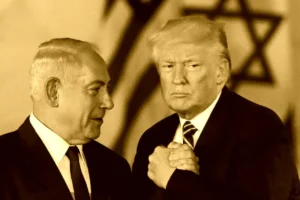
Israeli Defence Minister Israel Katz previously said that Khamenei “cannot continue to exist,” while Prime Minister Benjamin Netanyahu has hinted that targeting Iran’s leadership could end the long-running conflict.
US President Donald Trump has also warned Iran’s leadership in recent remarks, stating that regime change could be beneficial for the country.
Wider Implications
The latest developments suggest the conflict may be shifting beyond military strikes toward attempts to destabilize Iran’s leadership structure.
If such actions continue, analysts warn the situation could expand into a broader regional confrontation involving multiple Middle Eastern nations.
For now, uncertainty remains over how successful the strikes were and what the next phase of the conflict may look like.

Mayur is a part time journalist with about 2 years experience. While working in the field of healthcare, Mayur found a passion for finding engaging stories. As a contributor to White Pine Tribune, Mayur mostly covers International Politics and Life Sciences Related Stories